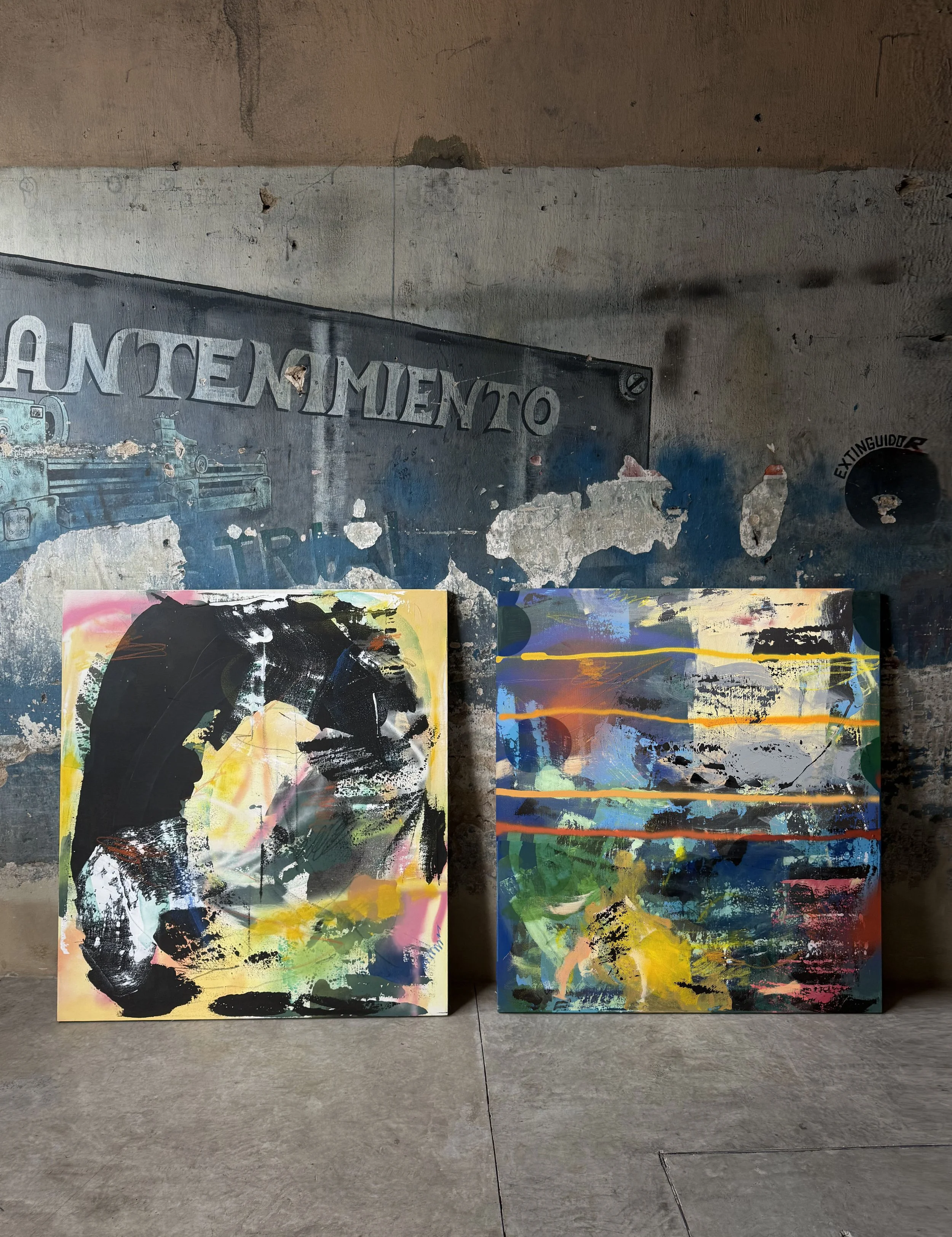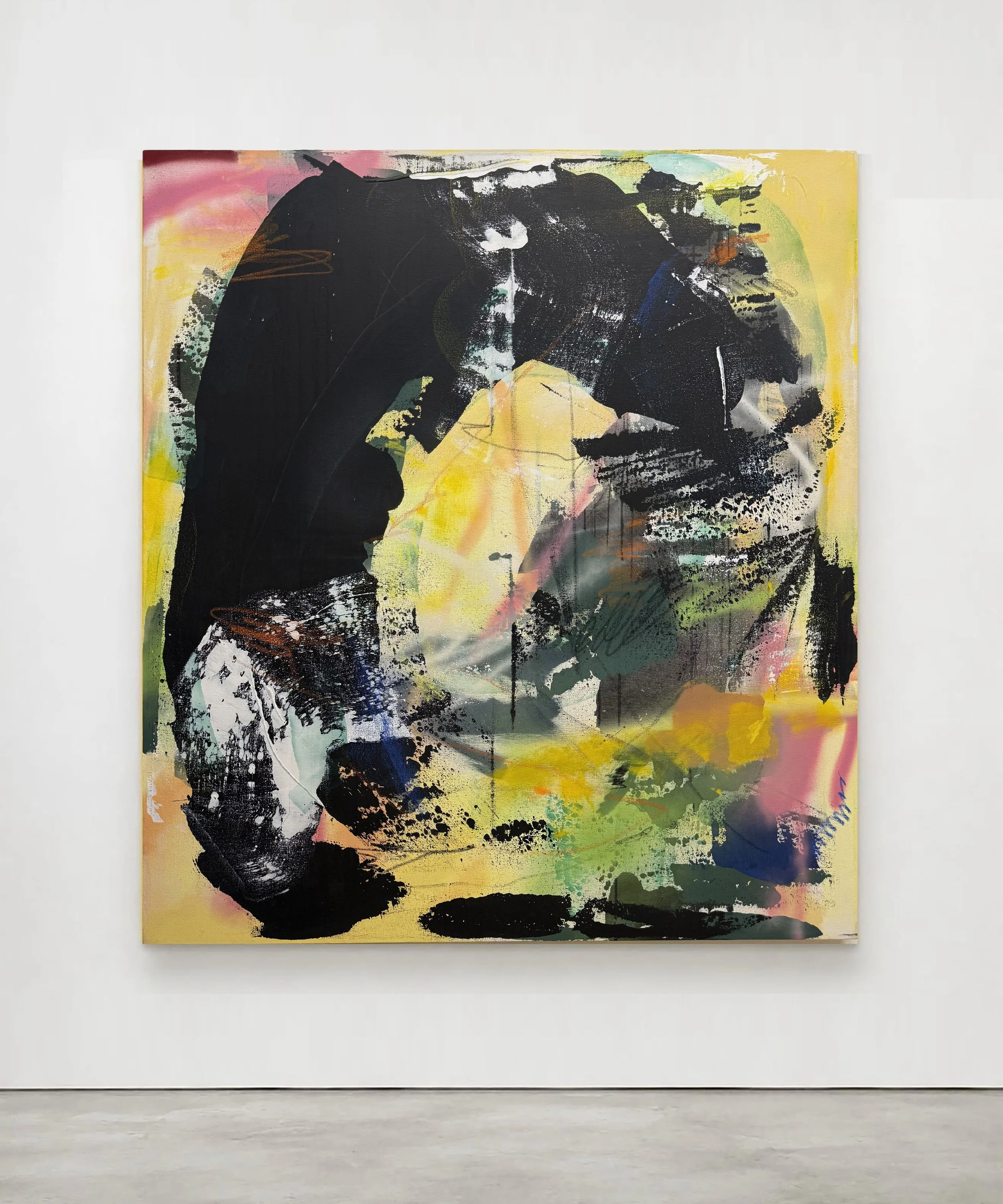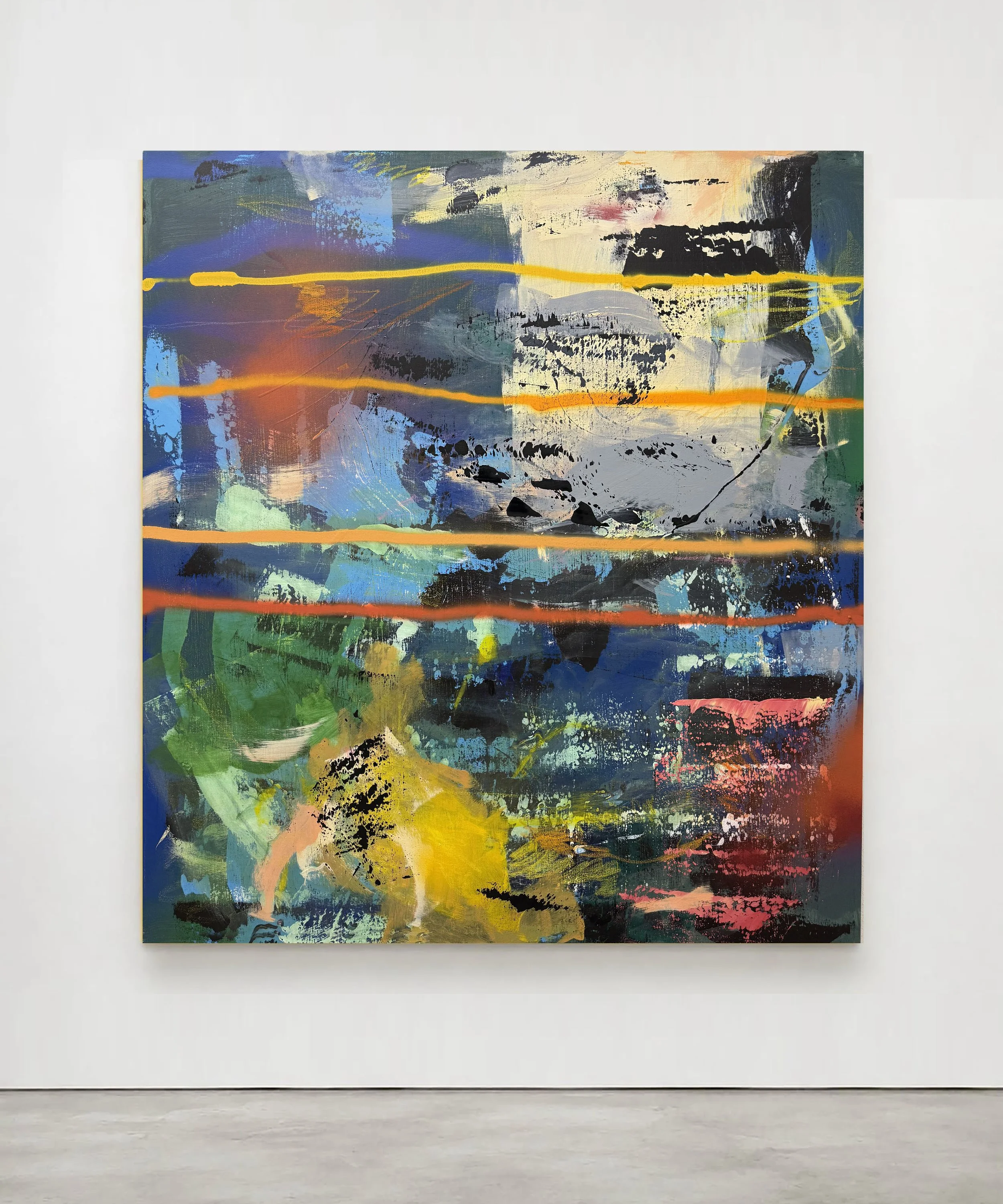
“Cambio de Aceite” (2026)
Solo exhibition @ Casa Infame (Guadalajara, MX)
//
One moment an industrial system cannot fully predict or automate is when a machine breaks down or stops unexpectedly. It must be opened, examined, touched, cleaned, adjusted. Metaphorically, oil must be changed and parts must be maintained. However efficient a mechanical system appears, a point remains where a human hand must intervene. Cambio de Aceite (Oil Change) is a new body of work by Detroit-raised artist Romelle, based in Guadalajara, Mexico.
The exhibition expands on questions explored in her 2025 exhibition Machina (K Contemporary Denver + Santa Fe), continuing her investigation into the tension between industrial systems and human gesture. Romelle has long been drawn to the visual language of industry. Growing up in Detroit gave her an early familiarity with manufacturing, mechanical systems, and the aesthetics of production. Yet her work is less interested in the perfection promised by machines than in the moments when that perfection breaks down. “I’m always looking for the human hand within my comfort zone of the industrial,” Romelle says.
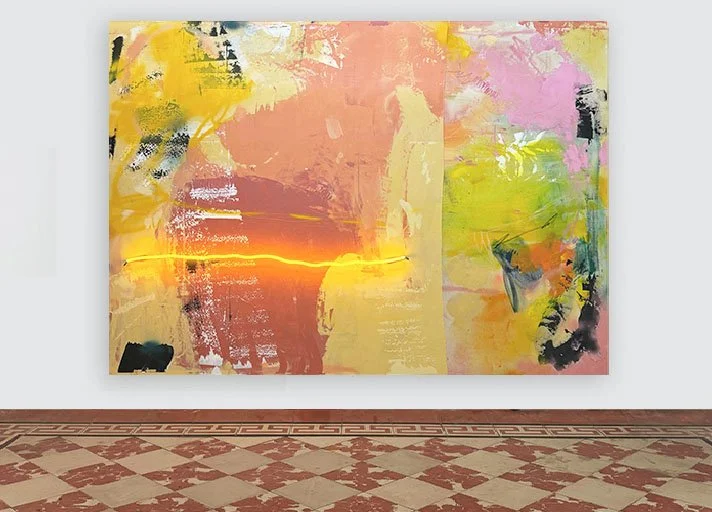
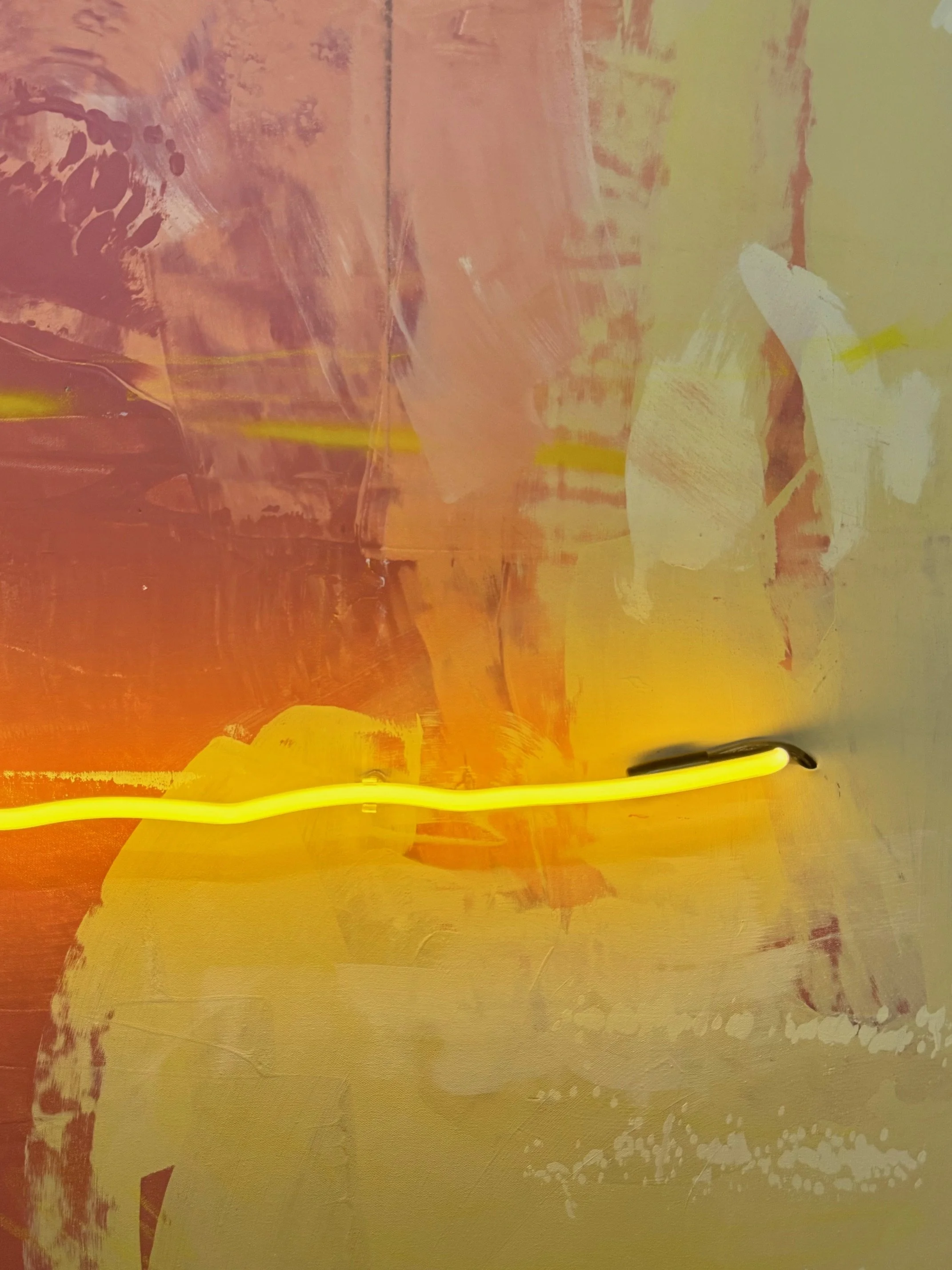
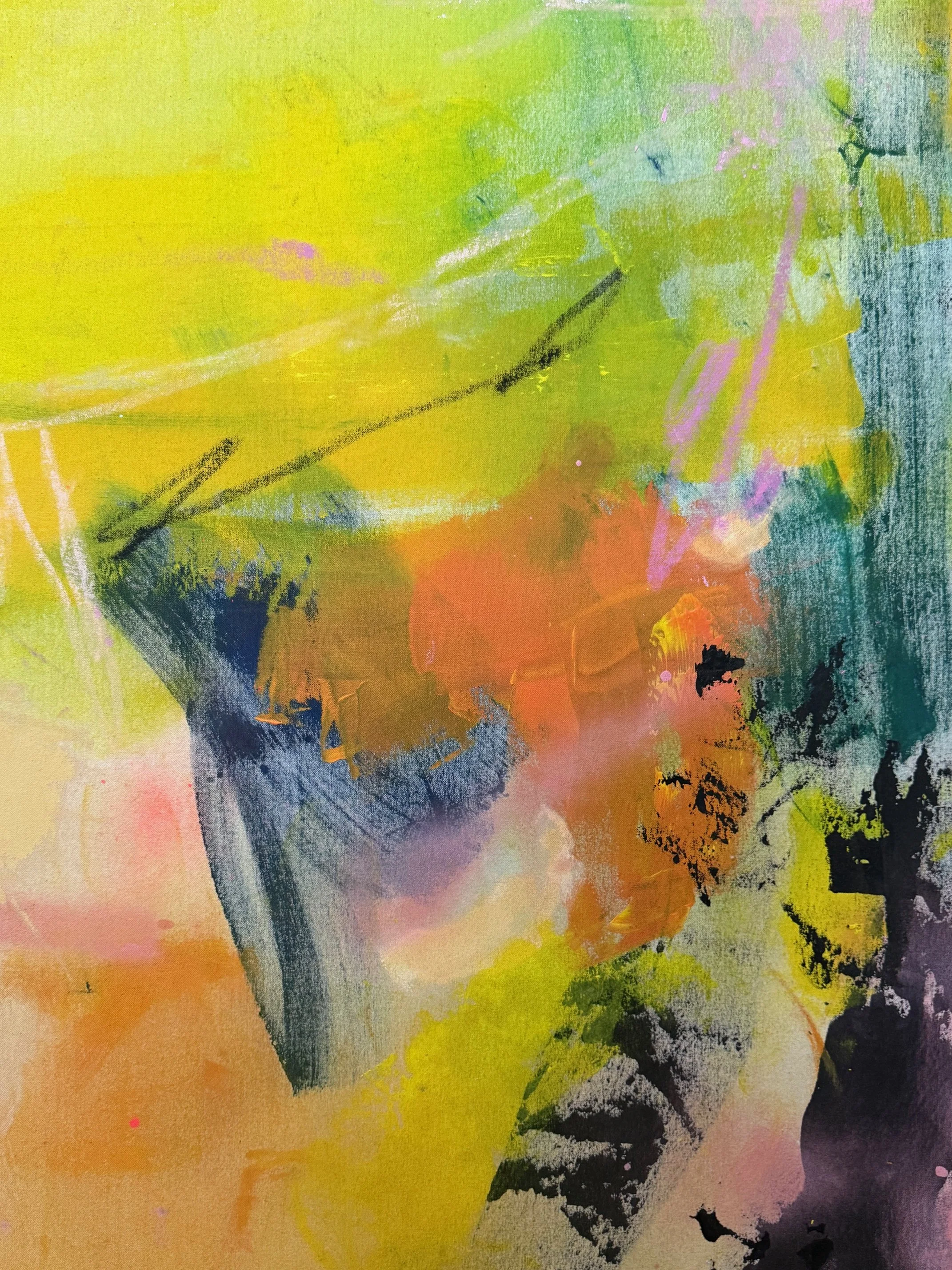
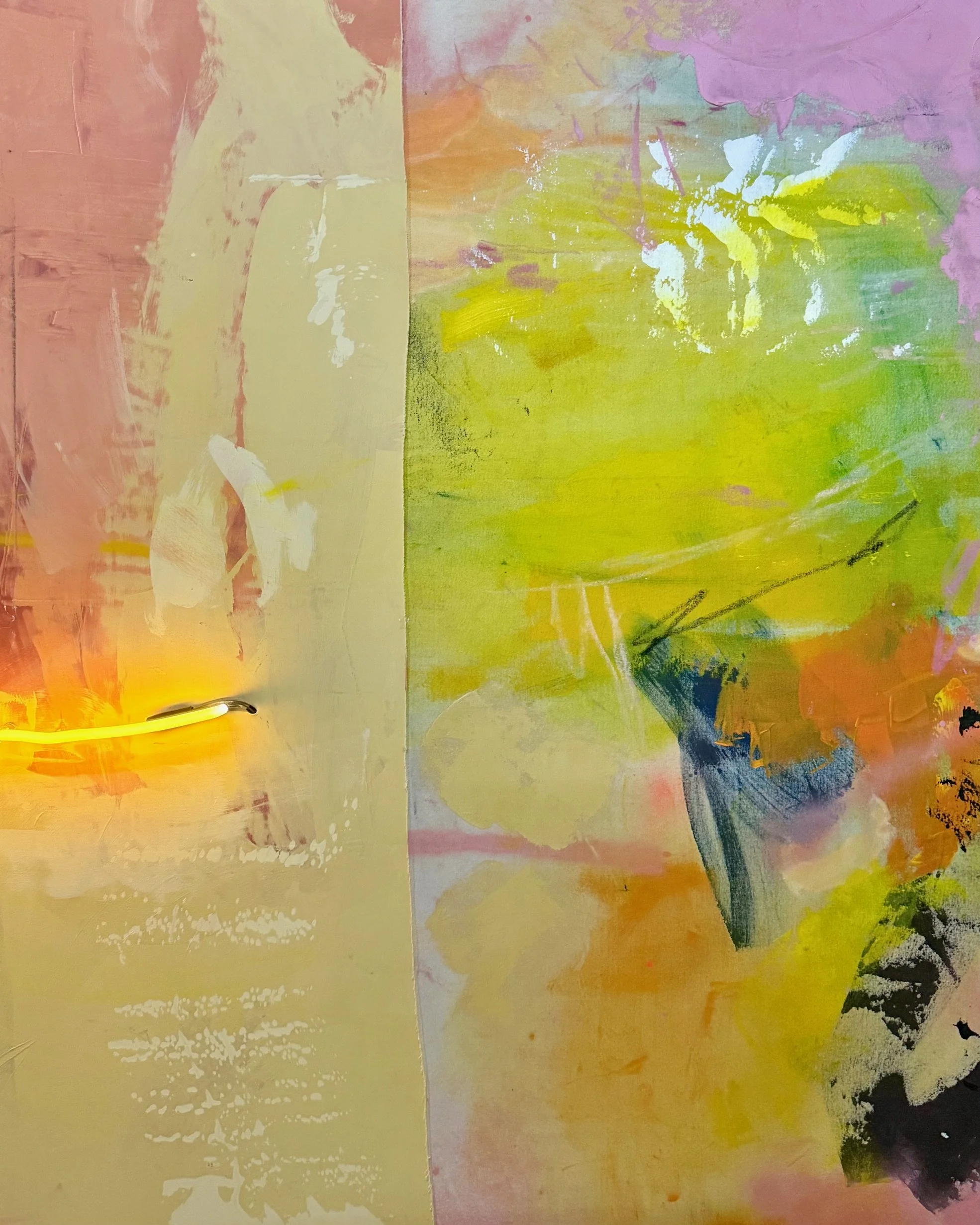
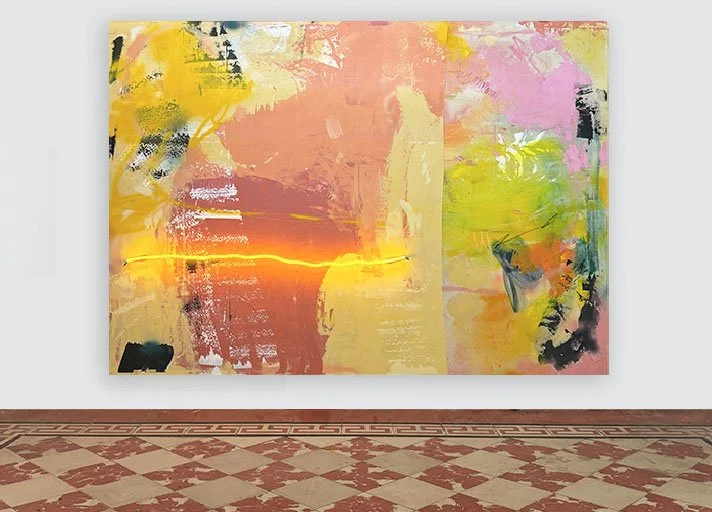
Across painting, neon, and mixed media, Romelle draws from the visual language of graffiti and industrial production. Repeated forms carry subtle inconsistencies. Surfaces accumulate marks, lines shift, layers remain partially visible beneath one another. Rather than disguising these variations, Romelle allows them to become evidence of the work’s making. Rather than being about mechanical reproduction, repetition becomes a record of labor, while wear and imperfection become sources of value. In Cambio de Aceite (Oil Change), that record is inseparable from place.
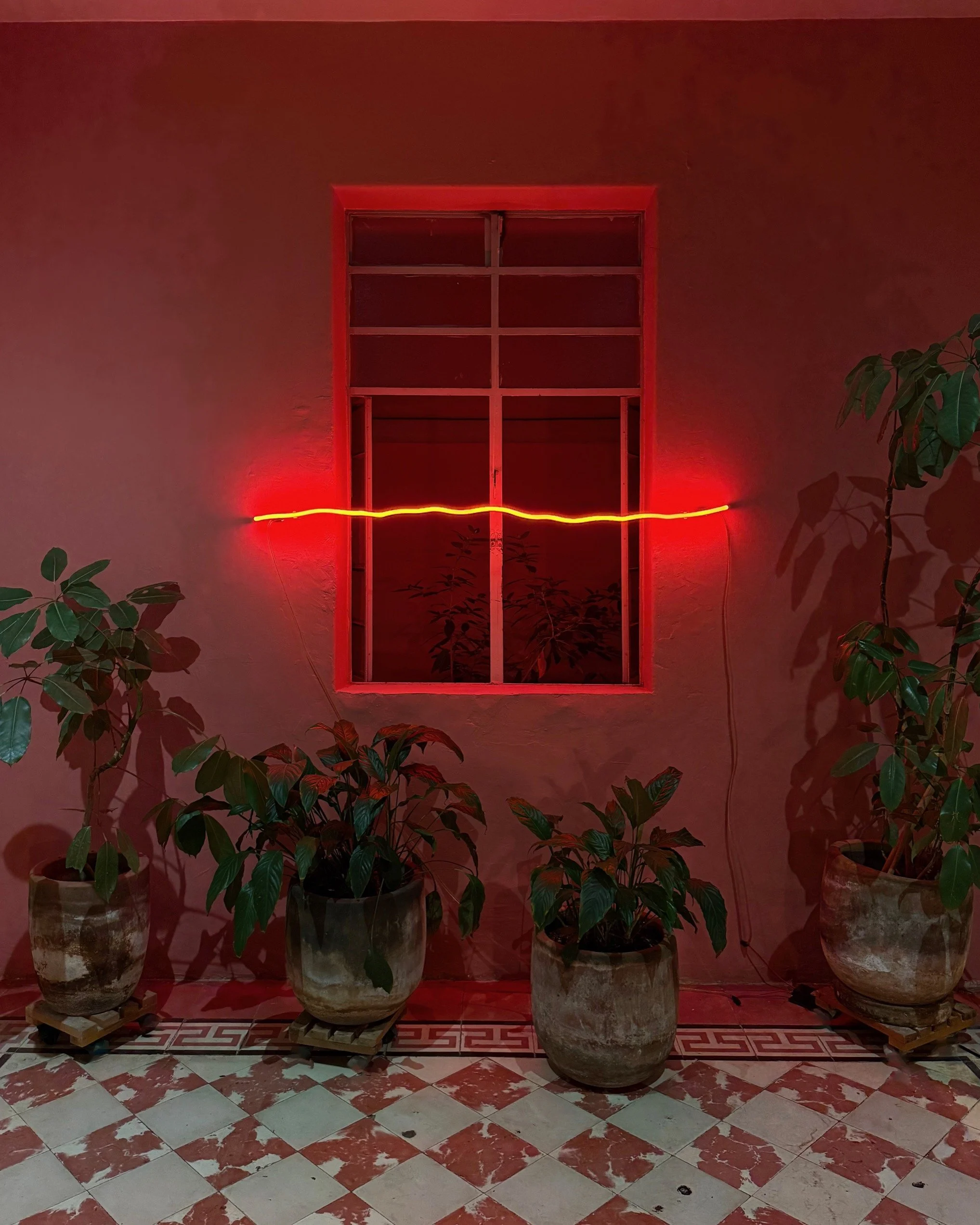
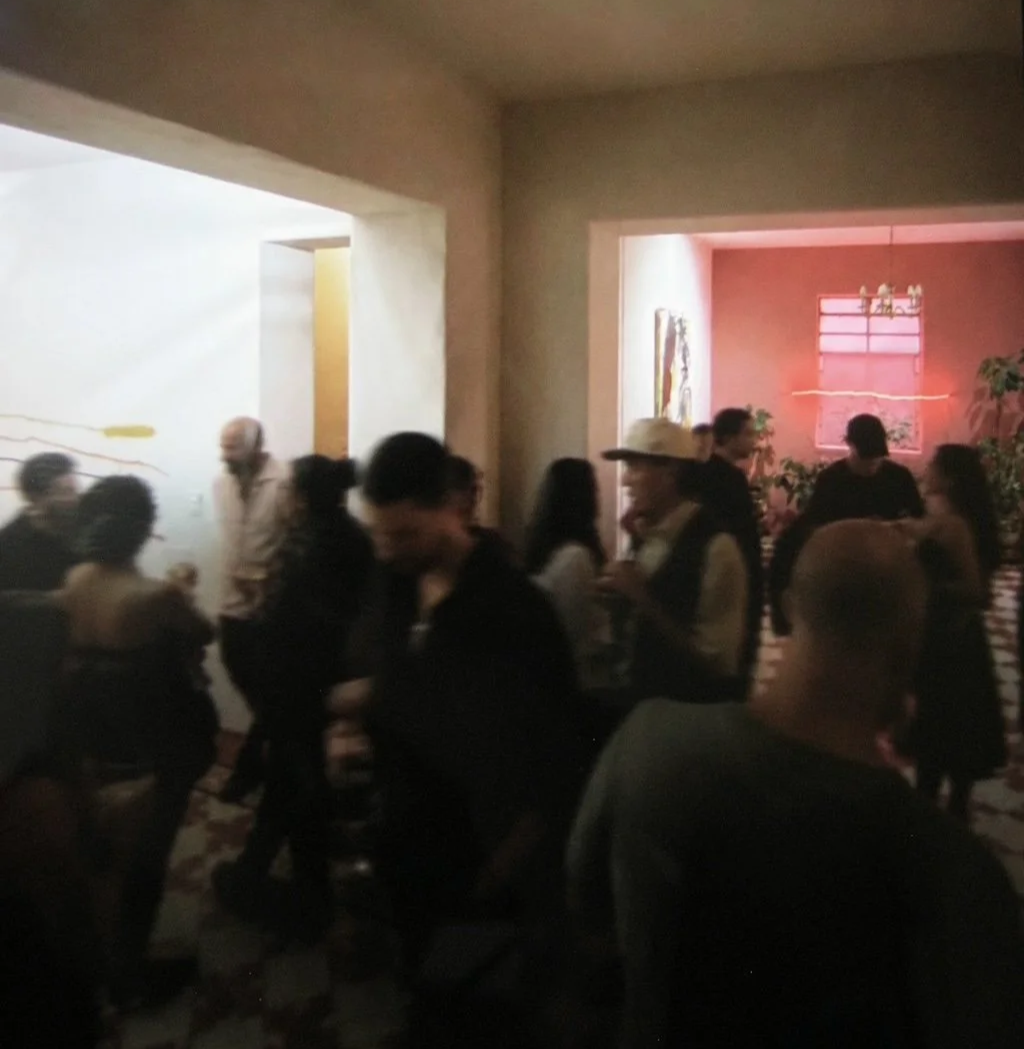
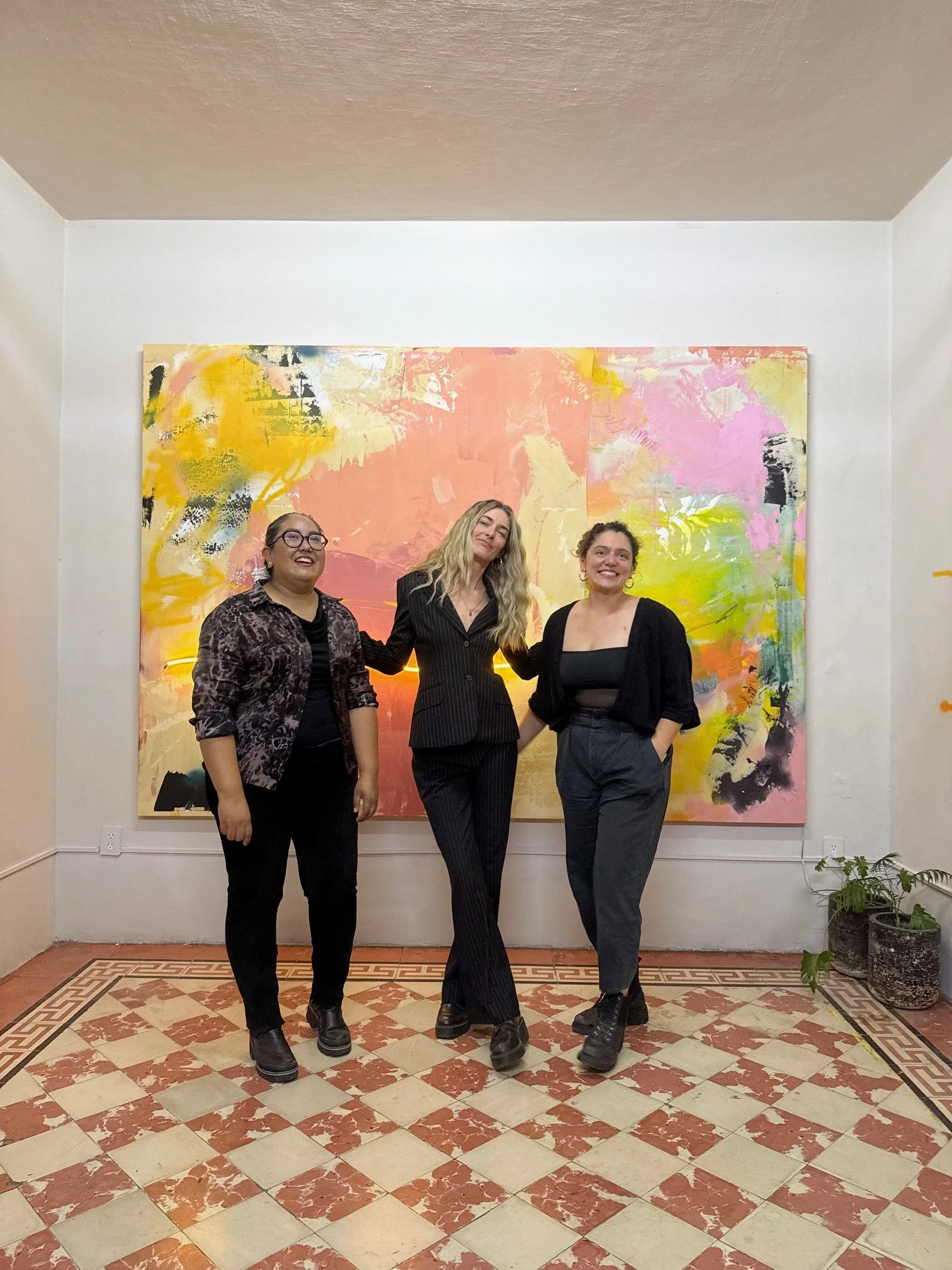
The exhibition takes place at Infame, a historic house in Guadalajara’s Colonia Americana that served as Romelle’s studio from October through December 2025, before she moved her practice to Motor in the city’s Centro Histórico. Returning to Infame transforms the building from a studio or exhibition venue into part of the work itself. Colors within the paintings draw from the floors and exterior walls of the house. A neon line moves through a window, linking the artwork directly to the building’s architecture. The space carries its own layers of use and history, much like the surfaces of Romelle’s paintings. Guadalajara’s very environment further shapes the interpretation of Romelle's work. Throughout the city, walls often hold overlapping signs, paint, advertisements, repairs, graffiti, and traces of earlier surfaces. New information covers old information without entirely eliminating it. Romelle’s paintings operate in a similar way. They are less like pristine industrial objects than palimpsests—surfaces where multiple moments remain present at once.
The exhibition also engages with an idea explored by theorist Boris Groys, drawing from Ernst Kantorowicz’s concept of “the king’s two bodies”: one body that is mortal and physical, and another that represents an enduring system. Groys applies this tension to circumstances surrounding the contemporary artist. Romelle’s work occupies a related space between two kinds of bodies: the seemingly permanent body of the industrial system and the vulnerable human body that builds, operates, repairs, and maintains it. Her paintings borrow the language of the first while preserving evidence of the second. Seen this way, an oil change is more than routine maintenance. It represents a necessary interruption—a moment when progress stops long enough for care, attention, and physical labor to become visible. The industrial provides the structure, but the human hand leaves the record.